Source Floor to Ceiling Windows for Homes, Offices, and Buildings
Compare 30 verified listings for floor to ceiling windows featuring aluminum alloy frames and sound insulation. Buyers can evaluate customization options, surface treatments, and lead times from suppliers in Guangdong China for residential and commercial projects.
Key considerations
Products List


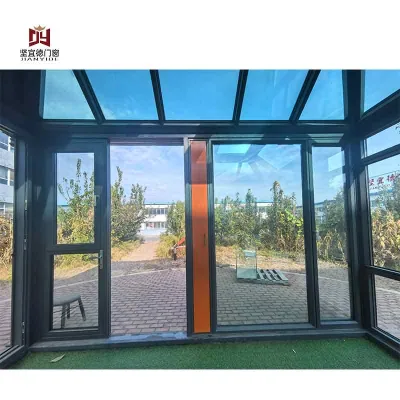


Comprehensive Sourcing Guide
Strategic Sourcing Guide for Floor-to-Ceiling Window Systems
Understanding Technical Specifications and Material Composition
When sourcing floor-to-ceiling windows, the primary objective is to secure a system that balances structural integrity with aesthetic transparency. The supply market for these systems is dominated by aluminum alloy frames, which provide the necessary strength to support large glass panes without excessive bulk. Buyers must verify that the frame material is specifically high-grade aluminum alloy, as this ensures resistance to corrosion and structural fatigue over decades of use. The surface finishing of these frames is critical; common processes include anodizing, powder coating, and wooden finishes. For optimal durability, the powder coating thickness should typically fall within the 50 to 120 micrometer range, ensuring a robust barrier against environmental wear.
The glass component is equally vital. Floor-to-ceiling installations often utilize float process glass, which offers a flat, uniform surface essential for large visual expanses. The visible light transmittance for such glass typically ranges between 86% and 89%, maximizing natural illumination. Thickness specifications vary based on the structural requirements of the building; while standard nominal thicknesses may be 5mm, specialized applications may require thick sheet glass up to 25mm. The wall thickness of the aluminum profiles themselves is a key metric, often ranging from 0.3mm to 2.0mm depending on the specific model and load-bearing needs. Buyers should look for models with a thickness around 2.2mm for high-security applications, as this provides superior rigidity.
The opening mechanism is another decisive technical factor. While some systems are fixed, others offer horizontal opening patterns or swing styles to facilitate ventilation. The opening style must be selected based on the architectural design and the intended airflow requirements of the space. Additionally, the production capability of the supplier is a practical constraint; a monthly production capacity of 4000 tons indicates a manufacturer capable of handling large-scale commercial projects without significant delays.
Compliance, Certification, and Quality Standards
Navigating the regulatory landscape is essential for ensuring that floor-to-ceiling windows meet safety and performance benchmarks. The industry relies on specific standards to validate the quality of aluminum profiles and glass components. One prominent standard referenced in the market is GB5237-2008, which governs the quality and testing of aluminum alloy profiles. Compliance with this standard ensures that the extrusion process, dimensional tolerances, and mechanical properties meet rigorous national requirements. Buyers should explicitly request certification documents confirming adherence to this standard before finalizing any order.
Beyond material standards, third-party verification plays a crucial role in risk mitigation. Certifications such as SGS provide an independent assessment of product quality, offering assurance that the materials and manufacturing processes have been tested against international benchmarks. The security rating of the window system is another critical compliance metric. High-performance systems often carry a security rating of "A," indicating a high level of resistance against forced entry and structural failure. This rating is particularly important for ground-floor installations or buildings in high-security zones.
Tolerance levels are another area where compliance is non-negotiable. Dimensional accuracy is vital for the seamless integration of large glass panels into frames. A tolerance of +/- 1% is a common benchmark for high-quality manufacturing, ensuring that components fit together precisely without gaps that could compromise insulation or structural stability. Buyers must verify that the supplier maintains strict quality control protocols to ensure every batch meets these tolerance specifications. The production origin also matters; facilities located in regions like Guangdong or Foshan, China, often have established supply chains and regulatory frameworks that support consistent quality output.
Cost Drivers and Pricing Variables
The pricing of floor-to-ceiling window systems is influenced by a complex interplay of material costs, customization requirements, and production scale. The observed price range in the market spans from approximately $2.95 to $245 per unit, reflecting the vast diversity in product configurations. This wide variance is primarily driven by the thickness of the aluminum profiles, the type of glass used, and the complexity of the surface finishing. Thicker profiles and specialized glass treatments, such as Low-E or bulletproof glass, significantly increase the base cost.
Customization is a major cost driver. While standard models are available, many projects require tailored dimensions, specific colors, or unique opening mechanisms. The availability of customization allows buyers to meet specific architectural needs but often incurs additional charges. The minimum order quantity (MOQ) also impacts the effective unit cost. MOQs can range from as low as 1 unit for small residential projects to over 2,600 units for large commercial developments. Higher volume orders typically benefit from economies of scale, reducing the per-unit price.
Lead times are another financial consideration. Production lead times generally range from 15 to 20 days after the deposit is received. However, complex custom orders or those requiring specialized surface treatments like electro-horesis may extend this timeline. Buyers must factor in these lead times when planning project schedules to avoid costly delays. Additionally, packaging costs vary; options include PE film, PVC film, foam, craft paper, and carton boxes, or more robust plywood boxes for international shipping. The choice of packaging affects the final landed cost and the risk of damage during transit.
Typical Applications and Functional Requirements
Floor-to-ceiling windows are versatile solutions applied across various sectors, including residential, commercial, and industrial buildings. Their primary function is to provide an unobstructed view and maximize natural light, making them ideal for modern architectural designs. The usage categories typically include windows, doors, and general building use. In residential settings, these windows serve as decorative elements that enhance the aesthetic appeal of living spaces while offering functional benefits like heat insulation and soundproofing.
The functional attributes of these systems are extensive. They are designed to be invisible when retracted, providing a clean, seamless look. Key functions include heat insulation, soundproofing, anti-theft protection, airproofing, dust-proofing, and insect-proofing. The sound insulation capability is a critical performance metric, with some systems achieving a sound insulation rating of 45 decibels, making them suitable for noisy urban environments. The security function is also paramount, with systems designed to offer robust protection against break-ins and forced entry.
In commercial applications, the durability and low maintenance requirements of aluminum alloy frames make them a preferred choice. The surface treatments, such as anodizing or powder coating, ensure that the frames resist corrosion and maintain their appearance over time. The position of the windows, whether interior or exterior, influences the selection of specific models. Interior applications may prioritize decorative glass options, such as acid-etched or frosted glass, while exterior applications require high-performance glass with heat-absorbing or heat-reflective properties to manage solar gain.
Supplier Evaluation and Production Capabilities
Selecting the right supplier is a critical step in the procurement process. Buyers should evaluate potential suppliers based on their production capacity, technical expertise, and track record. A supplier with a monthly production capability of 4000 tons is likely capable of handling large-scale projects with consistent quality. It is essential to verify the supplier's location, as facilities in established manufacturing hubs like Foshan or Guangdong often have access to better raw materials and logistics networks.
The processing services offered by the supplier are another key evaluation criterion. Suppliers should provide comprehensive services including cutting, packing, and various surface treatments. The ability to offer regular processing options such as mill finish, powder coating, anodizing, and electro-horesis indicates a versatile manufacturing capability. Buyers should also assess the supplier's quality control measures, including their adherence to standards like GB5237-2008 and their ability to provide SGS certification.
Workmanship is a qualitative factor that can be assessed through sample reviews or site visits. Suppliers utilizing molding machinery for glass processing demonstrate a commitment to precision and efficiency. The visible light transmittance and the structural integrity of the glass are indicators of high workmanship. Additionally, the supplier's ability to handle custom orders and provide technical support throughout the project lifecycle is a valuable asset. Buyers should look for suppliers who offer clear communication and responsive customer service to ensure a smooth procurement experience.
Quality Control and Long-Term Procurement Considerations
Implementing a robust quality control strategy is essential for ensuring the long-term performance of floor-to-ceiling windows. Buyers should establish clear acceptance criteria based on the technical specifications provided, including frame thickness, glass thickness, and surface finish quality. Regular inspections during the production process can help identify and rectify issues before the products are shipped. The use of standardized testing protocols, such as those required for SGS certification, provides a reliable framework for quality assurance.
Long-term procurement considerations involve evaluating the durability and maintenance requirements of the selected systems. Aluminum alloy frames with high-quality surface treatments like anodizing or powder coating offer excellent resistance to environmental degradation, reducing the need for frequent maintenance. The structural integrity of the glass, particularly in thick sheet applications, ensures that the windows remain safe and functional over time. Buyers should also consider the availability of replacement parts and the supplier's warranty policies to mitigate long-term risks.
The environmental impact of the procurement process is another important consideration. Selecting suppliers who adhere to sustainable manufacturing practices and use recyclable materials can contribute to a greener building profile. The packaging materials used, such as PE film or plywood boxes, should be chosen with an eye toward minimizing waste and ensuring safe transport. By focusing on these long-term factors, buyers can secure a procurement strategy that delivers value, reliability, and sustainability for their projects.
Comparative Analysis of Product Attributes
To facilitate informed decision-making, buyers can compare key product attributes across different suppliers. The following table highlights the critical specifications and features that should be evaluated during the sourcing process.
| Attribute Category | Key Specification | Typical Range / Value | Importance Level |
|---|---|---|---|
| Frame Material | Aluminum Alloy | High-Grade | Critical |
| Glass Thickness | Nominal / Max | 5mm - 25mm | High |
| Surface Finish | Powder Coating / Anodized | 50-120 Um Thickness | High |
| Security Rating | Rating Class | A | Critical |
| Sound Insulation | Decibel Rating | 45 dB | High |
| Production Origin | Location | Guangdong / Foshan, China | Medium |
| Standard Compliance | Quality Standard | GB5237-2008 | Critical |
| Opening Style | Pattern | Horizontal / Swing | Medium |
| Lead Time | Production Duration | 15-20 Days | High |
| Customization | Availability | Available | High |
This comparison underscores the need for a holistic evaluation of product attributes. While price is a significant factor, the technical specifications and compliance with standards are equally important for ensuring the safety and performance of floor-to-ceiling windows. By carefully analyzing these attributes, buyers can make informed decisions that align with their project requirements and budget constraints.
FAQs
What materials are used for the frame of floor to ceiling windows?
The frames are constructed from aluminum alloy to ensure structural integrity and corrosion resistance. This material supports large glass panes while offering surface treatments like anodizing or powder coating for durability.
How thick are the aluminum profiles for high security applications?
High-security models typically feature an aluminum material thickness of 2.2mm to provide superior rigidity. Standard wall thicknesses generally range from 0.3mm to 2.0mm depending on the specific load-bearing requirements of the building.
What is the lead time for production after deposit receipt?
The standard lead time is about 15 to 20 days after the deposit is received. Complex custom orders or those requiring specialized surface treatments may extend this timeline slightly beyond the standard window.
Which certifications verify the quality of the aluminum profiles?
Products often comply with the GB5237-2008 standard for aluminum alloy profiles and may carry SGS certification. These standards validate the extrusion process, dimensional tolerances, and mechanical properties against rigorous national and international benchmarks.
Can the windows be customized for specific dimensions and finishes?
Yes, customization is available for tailored dimensions, specific colors, and unique opening mechanisms. Buyers can request specific surface treatments like electro-horesis or wooden finishes to meet distinct architectural needs.
What is the monthly production capability of the suppliers?
Suppliers in this category typically have a monthly production capability of 4000 tons. This capacity indicates the ability to handle large-scale commercial projects without significant delays or bottlenecks in the supply chain.